
When it comes to good gut health, consistency over complexity is what matters. Rather than focusing on restrictive diets or quick fixes, laying solid foundations and setting good daily habits can dramatically help to support your gut microbiome and digestive system.
- Aim for 30-40 Different Plant Foods Per Week
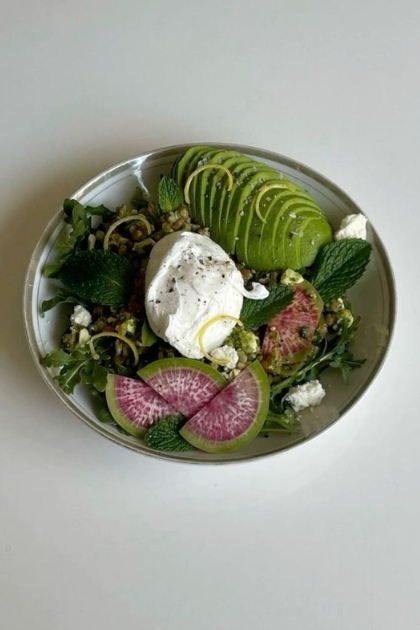
A diverse microbiome is one of the strongest indicators of a healthy gut. Different plant foods contain different fibres and phytonutrients, each feeding different strains of beneficial bacteria. By aiming for 30–40 unique plant foods per week — including vegetables, fruits, legumes, wholegrains, nuts, seeds, herbs and spices — you nourish a broader range of microbes and support a more resilient microbiome.
- Reach for 30g of Fibre Daily
Fibre is essential for bowel regularity, microbial balance and the production of short-chain fatty acids that reduce inflammation and support gut lining integrity. Many adults fall well below the recommended intake. Gradually increasing fibre through whole foods such as legumes, oats, chia seeds, berries and vegetables can improve digestion, blood sugar balance and overall gut function. Increase slowly and ensure adequate hydration to minimise discomfort.
- Eat in a Calm State
Digestion is heavily influenced by the nervous system. When we are stressed, rushed or distracted, our body can get stuck in “fight or flight” meaning that our blood flow is diverted away from our digestive organs, stomach acid production is decreased, and gut motility is reduced. This can impair our digestive capacity, and lead to symptoms like bloating, reflux, fluctuating bowel motions, abdominal discomfort, excess gas and nutrient deficiencies. Eating slowly, chewing thoroughly and sitting down without distractions helps activate the parasympathetic nervous system (rest and digest). Supporting this process improves stomach acid production, enzyme release and nutrient absorption.
- Support the Gut-Brain Axis
The gut and brain are in constant communication. Chronic stress can alter gut motility, microbial balance and intestinal permeability. Prioritising sleep, stress management practices, movement and time outdoors can positively influence both digestive symptoms and mood. Addressing the gut–brain axis is often a key step in improving bloating, irregular bowels and other related symptoms.
- Include Fermented and Prebiotic Foods
Fermented foods such as natural yoghurt, kefir, kimchi and sauerkraut introduce beneficial bacteria that can help support microbial balance. Prebiotic foods, including garlic, onions, leeks, asparagus, oats and slightly green bananas, act as a fuel source for beneficial gut bacteria. Combining both probiotics (beneficial bacteria) and prebiotics (their fuel) helps create a thriving internal ecosystem.
Supporting your gut doesn’t require perfection. When the gut is supported, improvements are often seen not only in digestion, but also in energy, skin, immune health and hormonal balance.
SUPPORTING DETOXIFICATION FOR HORMONES AND SKIN HEALTH
“Detox” is definitely a buzz word online, however, when we talk about “detoxification,” it’s often misunderstood. The body already has highly sophisticated detoxification systems, primarily the liver, gut, kidneys, lymphatic system and skin. Rather than extreme cleanses or restrictive protocols, true detox support focuses on optimising these natural pathways so hormones and metabolic byproducts can be processed and eliminated efficiently.
This is particularly important for women experiencing concerns such as acne, PMS, heavy periods or hormonal imbalances.